Manuscripts are not treated as fixed instructions, but as historical witnesses. Ensemble Rûm reads notation, theory, language, repertory, and material evidence together, then tests those readings through instruments, rehearsal, and performance.
01
c. 1610–1675
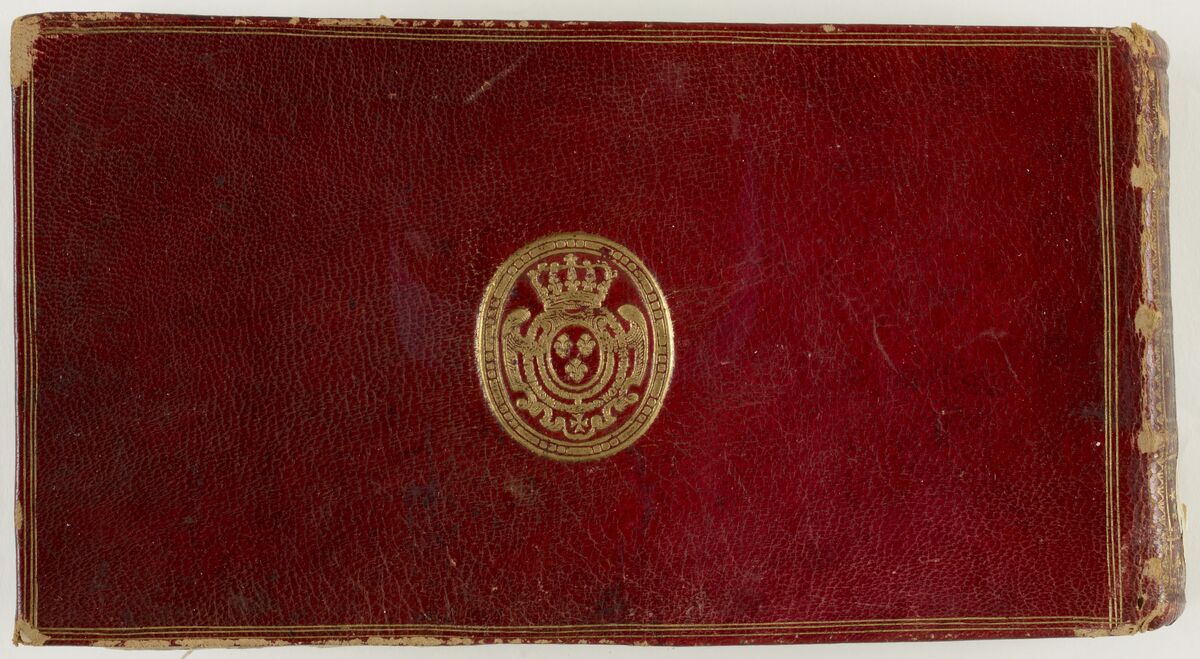
Bibliothèque nationale de France, Turc 292 · opening page
Ali Ufkî
Ali Ufkî, also known as Wojciech Bobowski, recorded a major body of seventeenth-century Ottoman music in staff notation. His collections offer an unusually direct meeting point between Ottoman repertory, courtly life, language, and European systems of musical writing.
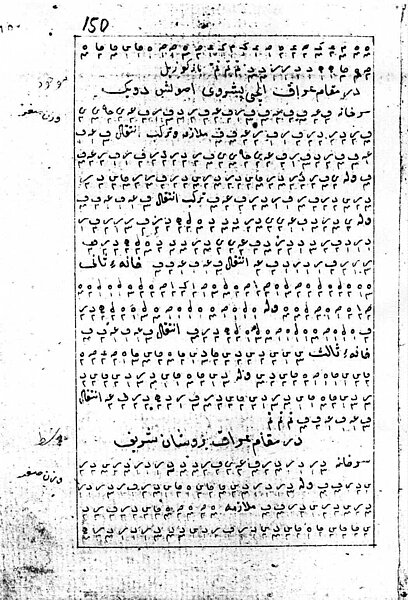
İstanbul Türkiyat Enstitüsü, Arel 2768 · facsimile leaf, fol. 150
Dimitrie Cantemir
Cantemir’s music treatise and notational collection preserve repertory and theoretical thought from the late seventeenth and early eighteenth centuries. They are read together as evidence for melodic practice, modal organisation, transmission, and musical memory.
Kevserî’s manuscript gathers musical notation, theory, and repertory within an eighteenth-century Ottoman context. It helps trace how earlier materials were copied, reorganised, interpreted, and carried into new performing environments. The original is held in a private collection; current scholarship relies on a surviving microfilm.
Nâyî Osman Dede was a ney player, composer, poet, and theorist. His writing and notation connect compositional practice with the intellectual and spiritual musical culture of turn-of-the-eighteenth-century Istanbul. His surviving notation notebook remains in private hands.